
Washington was thrown into a fresh wave of political drama after reports surfaced that a high-ranking U.S. military general had allegedly turned against former President Donald Trump, triggering an intense and emotional reaction behind closed doors. According to multiple insiders familiar with the situation, the moment reportedly sent shockwaves through Trump's inner circle and sparked fierce conversations across political and military circles in the nation's capital.
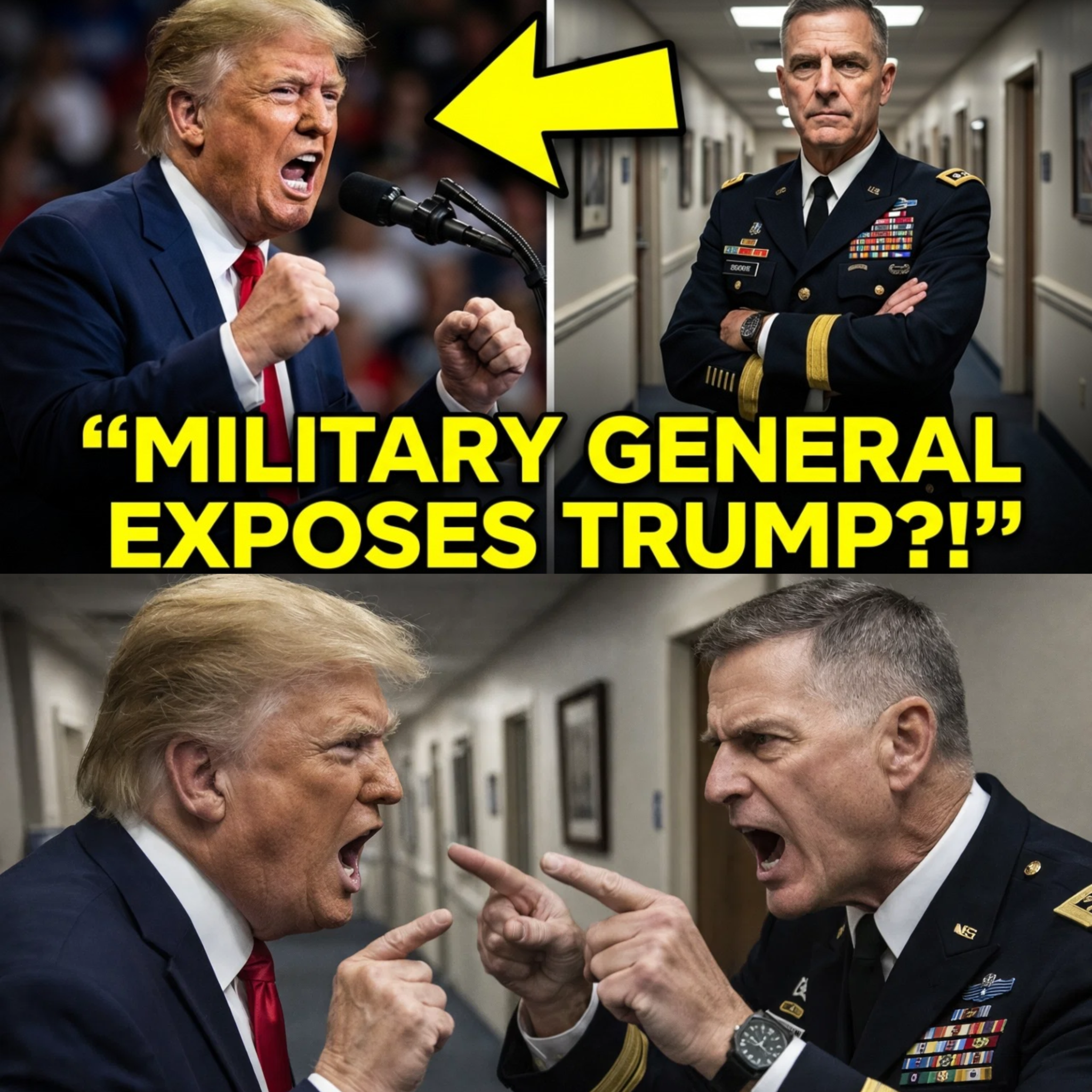
What began as a quiet development quickly escalated into one of the most talked-about political moments of the week. The revelation that a senior military figure—once believed to be closely aligned with Trump's leadership—had reportedly taken a stance that contradicted the former president's narrative created immediate tension inside Washington.
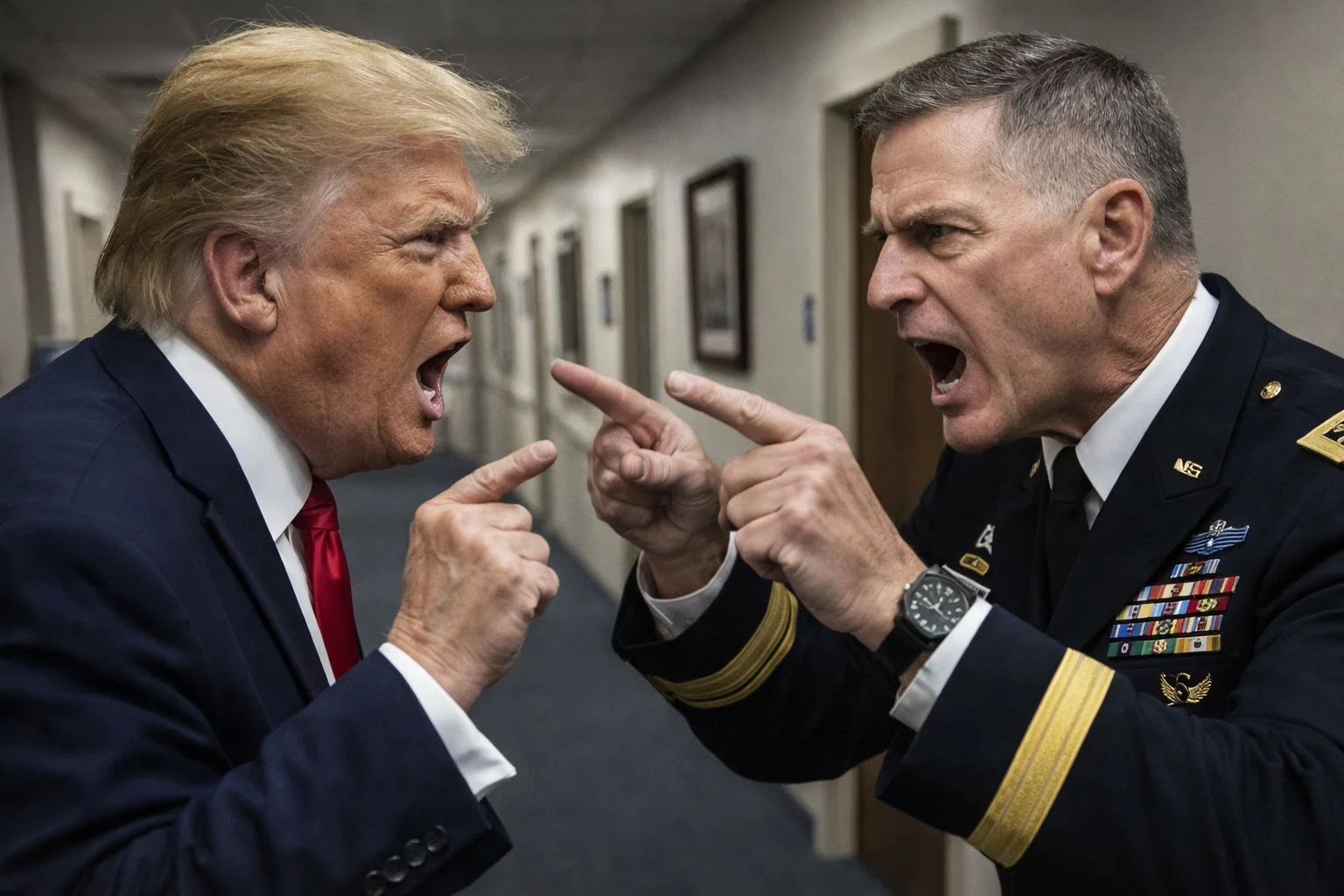
Sources close to the situation claim that Trump reacted with visible anger after learning about the general's position. One individual familiar with the discussions described the reaction as "explosive," saying that the former president felt deeply betrayed by someone he had previously trusted during his time in office.
The identity of the general and the precise details surrounding the alleged "betrayal" have fueled widespread speculation. Political analysts say the controversy revolves around testimony, internal communications, and growing scrutiny over decisions made during Trump's presidency, particularly involving the military and national security matters.
According to insiders, Trump believed that the general had previously supported his leadership and policies while he was in the White House. That expectation reportedly made the new development even more shocking to members of Trump's team, who were caught off guard when the general's position suddenly became public.
Behind the scenes, the reaction was described as chaotic. Several political figures in Washington reportedly began scrambling to understand what the general's statements might mean for ongoing political debates and investigations. Some Trump allies immediately questioned the general's motives, while critics argued that the development demonstrated growing cracks within the former president's network of supporters.
One Republican strategist familiar with internal discussions described the moment as "a political earthquake," noting that military leadership traditionally avoids being drawn into partisan battles. The fact that a top general had now become a central figure in the controversy made the situation even more dramatic.
Trump's allies were quick to push back against the narrative that he had been "betrayed." Some suggested the general's comments were being misinterpreted or taken out of context by political opponents eager to create controversy. Others argued that the military officer may have been pressured by political forces in Washington.
Still, the perception of conflict between Trump and a senior military figure quickly captured the attention of media outlets and political observers across the country. The story spread rapidly through Washington, where lawmakers on both sides of the aisle began weighing in.
Democratic leaders pointed to the reports as further evidence of tensions between Trump and elements of the U.S. military establishment during his presidency. Several lawmakers suggested the moment highlighted long-standing concerns about Trump's relationship with military leadership.
"This is exactly why accountability matters," one Democratic official said during a television appearance. "When senior military figures begin speaking openly, it can reveal important truths about what happened behind closed doors."
Meanwhile, Trump supporters responded with fierce criticism of the general's decision to speak out. On social media and in conservative media circles, the narrative quickly shifted toward questioning the timing of the general's statements and whether political motivations were involved.
Some commentators argued that the military officer's remarks could undermine trust between civilian leaders and the armed forces if they were perceived as politically motivated. Others warned that dragging military leaders into political disputes could damage the long-standing tradition of military neutrality in American politics.
The controversy also revived memories of earlier tensions between Trump and military officials during his presidency. Throughout his time in office, Trump had a complex relationship with the Pentagon, occasionally praising military leaders while also clashing with them over policy decisions and strategic approaches.
Former administration officials recall moments when disagreements between Trump and military commanders became highly visible. Those conflicts often centered on issues such as troop deployments, military operations overseas, and the role of the armed forces in domestic situations.
Because of that history, the latest development quickly gained traction as a symbol of the broader debate about Trump's leadership style and his interactions with senior government officials.
Political analysts say the current controversy is especially significant because it comes at a time when Trump remains a dominant figure in American politics. With the political landscape already deeply polarized, any major revelation involving Trump tends to trigger immediate reactions from both supporters and critics.
Inside Washington, lawmakers and policy experts have been carefully reviewing the general's statements and the circumstances surrounding them. Several congressional offices have reportedly requested briefings in order to understand the full context of the situation.
One senior policy analyst noted that moments like this often become turning points in political narratives.
"When a respected military leader speaks out in a way that appears to contradict a former president, it instantly raises questions," the analyst said. "People want to know what happened, why it happened, and what it means moving forward."
For Trump's political team, the immediate priority has reportedly been managing the fallout. Advisors have been working behind the scenes to shape the narrative and reassure supporters that the situation does not undermine Trump's broader political message.
Publicly, Trump has often responded to criticism with aggressive counterattacks, and observers say that pattern may continue as the story develops. The former president has built a reputation for pushing back forcefully against figures he believes have turned against him.
At the same time, Trump's supporters argue that controversies like this are often exaggerated by political opponents and media outlets. They say Trump has repeatedly faced high-profile disputes during his career and has emerged from them with his political base largely intact.
Meanwhile, critics believe the episode could add to ongoing debates about Trump's leadership and his relationships with key government institutions.
Across Washington, the story has become a central topic of discussion in political circles. Staffers, analysts, and journalists have been attempting to piece together the timeline of events and determine how the situation might evolve in the coming days.
Some observers believe the controversy may eventually fade as new political issues emerge. Washington has a long history of dramatic headlines that quickly give way to the next major story.
Others argue that the involvement of a senior military leader makes this moment different. Because the U.S. military is widely respected and traditionally remains outside partisan conflicts, any public disagreement involving top generals can carry significant political weight.
As the debate continues, one thing is clear: the episode has once again demonstrated how quickly political tensions can explode in Washington. What began as a report about a general's statements has now become a broader conversation about loyalty, leadership, and the complex relationship between political power and military authority.
For now, many of the key questions remain unanswered. What exactly led the general to take this stance? How will Trump respond publicly as more details emerge? And what impact, if any, will the controversy have on the larger political landscape?
Those answers may take time to unfold. But in a city where power struggles often play out behind closed doors, the latest clash has provided yet another dramatic glimpse into the intense battles shaping America's political future.